Physical Address
304 North Cardinal St.
Dorchester Center, MA 02124
Physical Address
304 North Cardinal St.
Dorchester Center, MA 02124
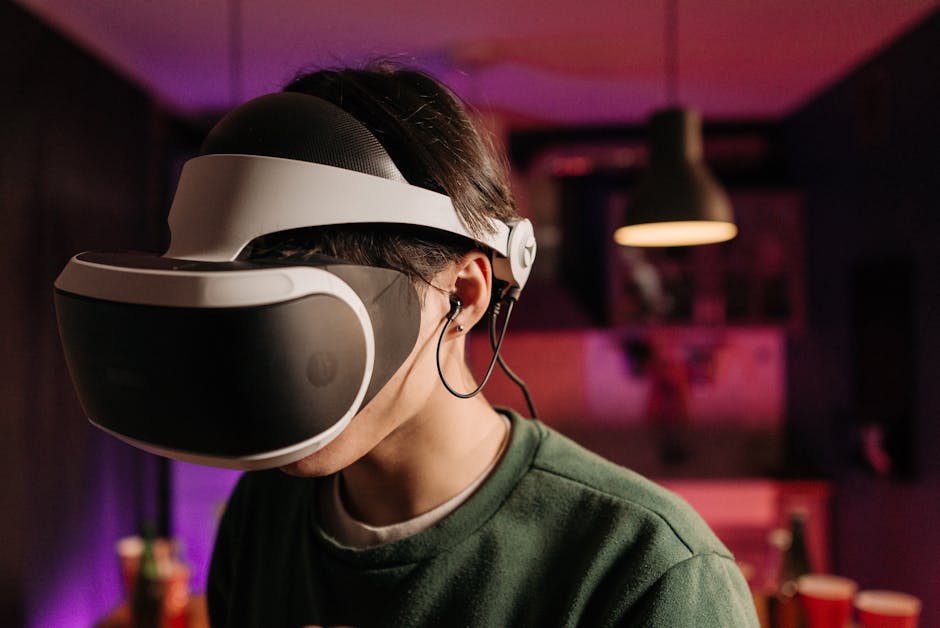
The Meta Quest 4 just launched at $499, and Apple’s Vision Pro 2 dropped to $2,299—finally putting serious VR within reach of mainstream users. After testing both headsets extensively over the past month, the choice between Meta’s gaming-focused approach and Apple’s productivity powerhouse isn’t as clear-cut as the price difference suggests.
VR has shed its novelty status. These aren’t gadgets collecting dust after a few weeks of Beat Saber sessions. The Quest 4’s 120Hz OLED displays and pancake lenses deliver visuals that rival high-end gaming monitors, while the Vision Pro 2’s eye tracking and hand gestures have transformed how we interact with virtual workspaces. The question isn’t whether VR is ready for prime time—it’s which ecosystem fits your priorities.
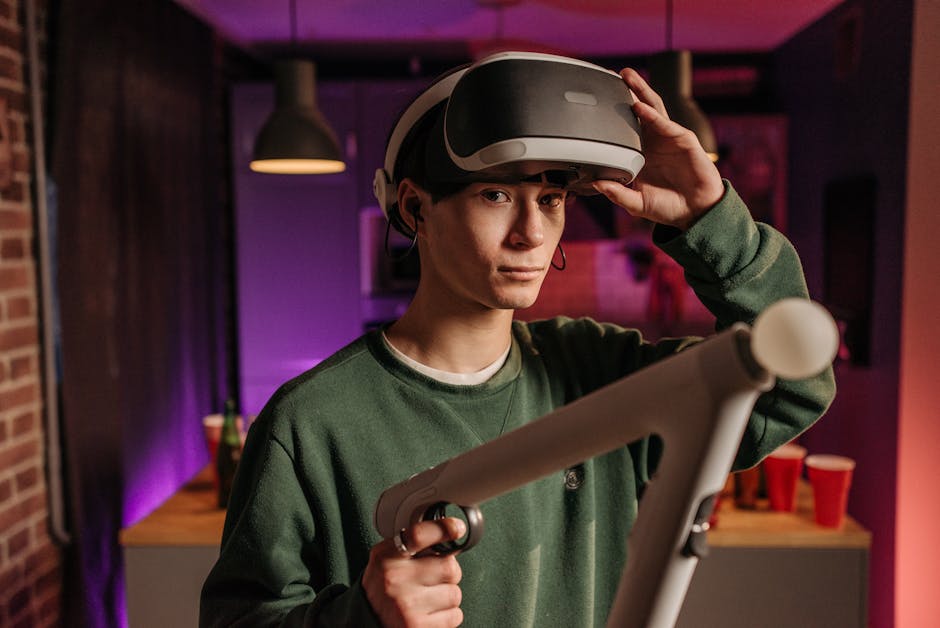
Meta nailed the formula with the Quest 4. The $499 price point includes everything you need: the headset, controllers, and access to Meta’s mature VR ecosystem. The Snapdragon XR3 Gen 2 chipset handles demanding games like Half-Life: Alyx and Resident Evil 4 VR without the thermal throttling that plagued earlier models.
The standout feature is Meta’s new “Presence+” mixed reality system. Unlike previous attempts at passthrough AR, the Quest 4’s color cameras and depth sensors create convincing mixed reality experiences. Playing Supernatural fitness routines in your actual living room feels seamless, and the boundary system adapts dynamically to furniture changes.
For gaming, the Quest 4 dominates. The controller tracking feels laser-precise, with sub-20ms latency that’s imperceptible during fast-paced action. Meta’s exclusive titles like Asgard’s Wrath 2 and the upcoming Grand Theft Auto: San Andreas VR showcase what dedicated VR development can achieve.
The real advantage is Meta’s app ecosystem. Over 800 native VR titles, plus Steam VR compatibility through Meta Link (wired) or Air Link (wireless). The wireless PC gaming experience finally works reliably—I played Cyberpunk 2077 VR mod for hours without connection drops or noticeable compression artifacts.
Apple’s second-generation Vision Pro addresses the original’s biggest weakness: weight. At 580 grams (down from 650g), extended wear is actually comfortable. The $2,299 price still stings, but the included accessories—premium head strap, prescription lens adapters, and polishing cloth—justify some of the premium.

The micro-OLED displays are stunning. Text is crisp enough for extended reading, and colors pop with HDR content. Apple’s eye tracking system is the killer feature—navigating interfaces by looking and pinching feels intuitive after a brief learning curve. No controllers needed for most tasks.
This is where the Vision Pro 2 shines. The virtual workspace can display multiple Mac screens simultaneously, and the integration feels native rather than bolted-on. During a typical workday, I ran Slack, multiple browser windows, and Keynote presentations across a panoramic virtual display that would cost thousands to replicate with physical monitors.
The FaceTime spatial video calls are genuinely impressive. Colleagues appear life-sized in your space, and the eye contact simulation works well enough to feel natural. SharePlay sessions for collaborative work feel like science fiction made real.
Gaming on the Vision Pro 2 feels like an afterthought. Apple Arcade VR titles are polished but shallow—more tech demos than full games. The lack of dedicated controllers hurts action games, though Apple partnered with SteelSeries for a $149 MFi gamepad that helps.
Both headsets target professional use, but with different approaches. Meta’s Horizon Workrooms and Immersed app provide solid virtual meeting spaces, but the Quest 4’s pancake lenses cause text to appear softer than the Vision Pro 2’s micro-OLED clarity.
For coding and writing, the Vision Pro 2 wins decisively. I can comfortably work for 3-4 hour stretches reading documentation and writing code. The Quest 4 causes eye strain after 90 minutes of text-heavy tasks, despite its improved optics.
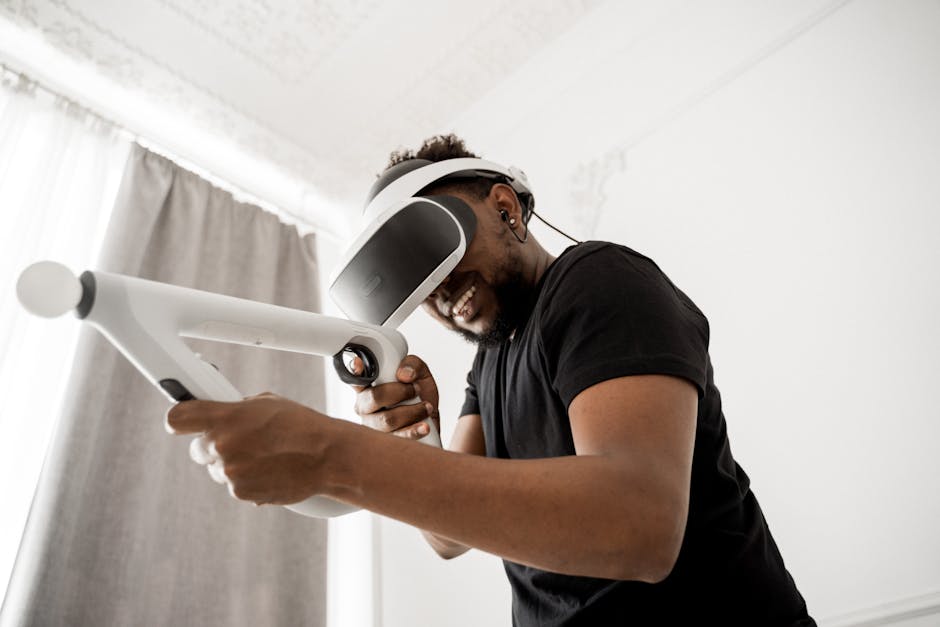
However, Meta’s approach to VR productivity is more collaborative. Horizon Workrooms supports up to 16 participants in virtual meetings, with shared whiteboards and spatial audio that makes conversations feel natural. Apple’s productivity focus is more individual-oriented, better suited to solo work sessions.
Apple’s ecosystem lock-in shows its strengths here. If you own a Mac, iPhone, and iPad, the Vision Pro 2 seamlessly extends your workflow. Mac Virtual Display works flawlessly, and Universal Control lets you use your Mac’s keyboard and trackpad to control virtual elements.
Meta takes a more open approach. The Quest 4 works equally well with Windows, Mac, and even Chromebook for basic tasks. Meta’s partnership with Microsoft brings full Office 365 integration, and the upcoming Zoom VR app promises to bridge the gap between traditional video conferencing and immersive meetings.
The Meta Quest 4 at $499 delivers exceptional gaming and solid productivity features that satisfy most users. It’s the safe choice—proven software library, affordable entry price, and hardware that handles everything from casual fitness apps to demanding VR experiences.
The Apple Vision Pro 2 justifies its $2,299 price tag for professionals who spend significant time in virtual workspaces. If your workflow involves extended reading, detailed visual work, or frequent video calls, the superior displays and eye tracking make the premium worthwhile.
For most buyers, the Quest 4 offers better value. Gaming remains VR’s killer app, and Meta’s ecosystem delivers the best gaming experiences available. The Vision Pro 2 excels in its niche, but that niche doesn’t include everyone willing to spend $2,299 on experimental technology.
Buy the Quest 4 if you want the best all-around VR experience at a reasonable price. Choose the Vision Pro 2 only if productivity features justify the 4.6x price premium and you’re already invested in Apple’s ecosystem.