Physical Address
304 North Cardinal St.
Dorchester Center, MA 02124
Physical Address
304 North Cardinal St.
Dorchester Center, MA 02124
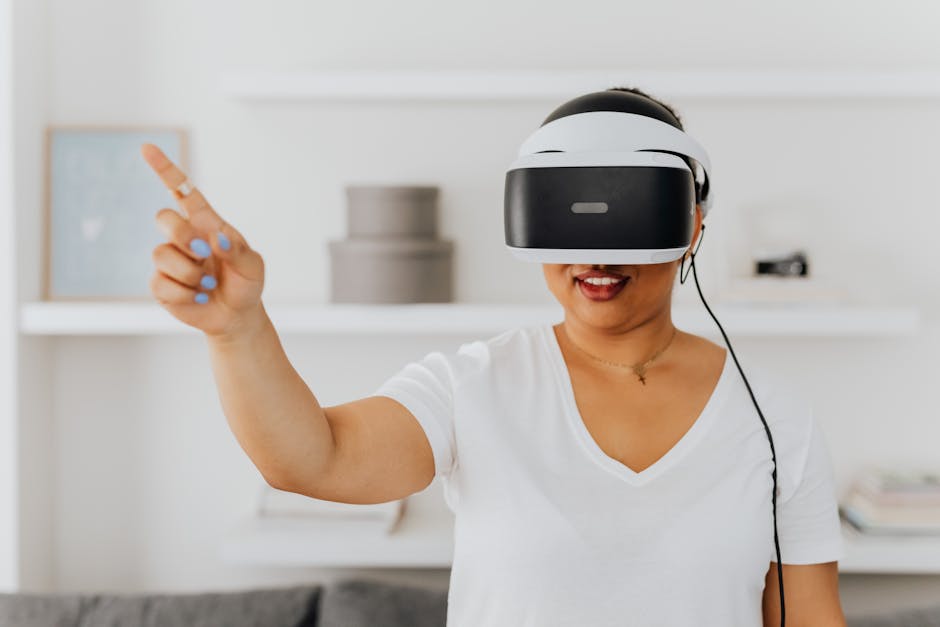
Smart glasses just hit their iPhone moment. After years of clunky prototypes and failed launches, the Ray-Ban Meta Series 3 and Google Glass Enterprise AR finally deliver what we’ve been promised: seamless augmented reality that doesn’t make you look like a cyborg.
The 2026 battle isn’t about which pair can do more—it’s about which one fits your life better. Ray-Ban focuses on style and social features that work everywhere, while Google doubles down on productivity and enterprise applications. Both cost around $800, but they’re targeting completely different users.
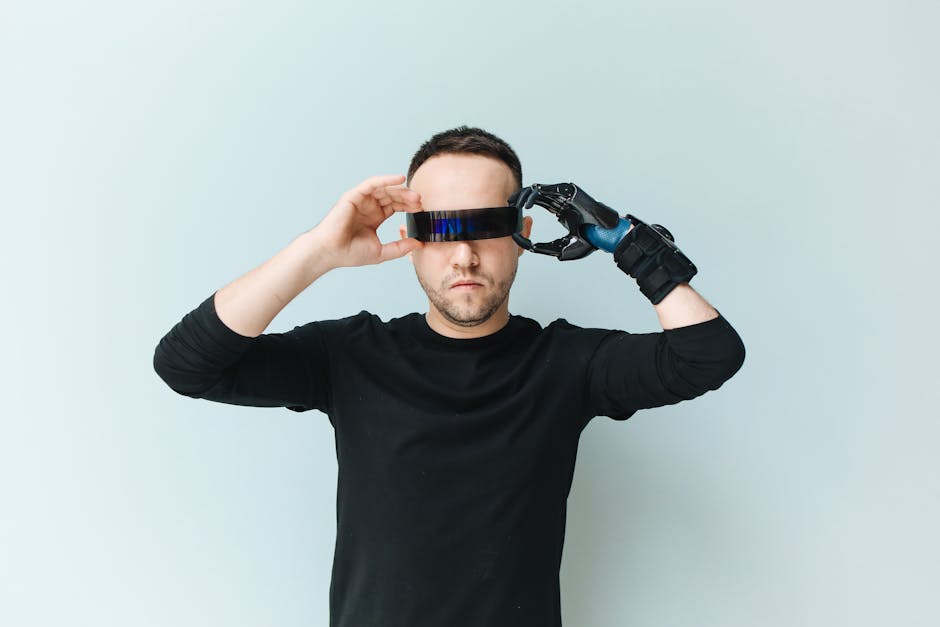
Ray-Ban Meta Series 3 nails the basics that Google still struggles with: these look like normal Wayfarers. The frames house dual 4K cameras, spatial audio speakers, and a micro-OLED display that projects information directly onto the lens. At 47 grams, they’re only 8 grams heavier than regular Ray-Bans.
The secret is Ray-Ban’s partnership with EssilorLuxottica. They’ve been making glasses for decades, so the Meta Series 3 feels like glasses first, tech second. The nose pads distribute weight evenly, and the spring hinges flex naturally. You can wear these for six hours without the ear pressure that plagued earlier smart glasses.
Google Glass Enterprise AR takes a different approach. The titanium frame weighs 52 grams but feels more substantial. Google designed these for 8-10 hour work shifts, with replaceable battery modules and adjustable nose pieces. They look professional but distinctly techy—think high-end safety glasses rather than fashion accessory.
Both use micro-OLED displays, but the implementations differ drastically. Ray-Ban’s display covers a 25-degree field of view with 1080p resolution per eye. It’s perfect for notifications, directions, and social media overlays, but don’t expect to watch videos or work on spreadsheets.
Google’s display pushes 35 degrees with 1440p resolution per eye. The extra real estate makes a huge difference for productivity apps. You can actually read emails, review documents, and navigate complex interfaces without squinting. The trade-off is battery life—Google’s display drains power 40% faster than Ray-Ban’s.
Ray-Ban Meta Series 3 runs on Qualcomm’s Snapdragon AR2 Gen 2 chip with 12GB RAM and 256GB storage. Performance is smooth for its intended use cases: Instagram Stories, hands-free photos, navigation, and music streaming. The dual cameras capture 4K video with impressive stabilization, perfect for content creators who want POV shots without holding a phone.
The standout feature is “Smart Capture”—AI that automatically identifies interesting moments and suggests photos. Walk past a landmark, and the glasses vibrate gently with a camera suggestion. Meet a friend, and it can automatically tag them in photos. It’s creepy-smart but genuinely useful.
Google Glass Enterprise AR packs more computing power: Snapdragon AR3 with 16GB RAM and 512GB storage. This handles demanding enterprise applications like 3D modeling, remote assistance, and real-time translation. Google’s partnerships with SAP, Microsoft, and Salesforce mean dozens of professional apps work seamlessly.
Ray-Ban delivers 8 hours of typical use (notifications, occasional photos, music streaming) or 3 hours of continuous video recording. The included charging case provides two full recharges, extending total usage to 24 hours. Wireless charging takes 90 minutes for a full charge.
Google Glass lasts 6 hours with mixed professional use or 2.5 hours with intensive AR applications. The modular battery system lets you hot-swap power modules without removing the glasses—crucial for industrial workers who can’t take breaks to charge. Fast charging delivers 50% battery in 30 minutes.
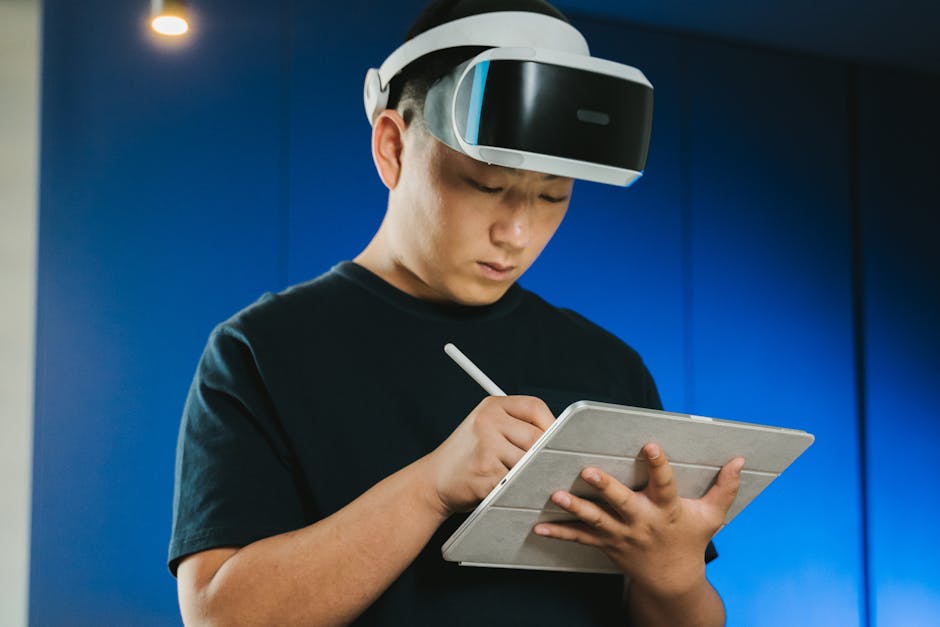
Ray-Ban Meta Series 3 lives in Meta’s ecosystem. Setup requires a Facebook or Instagram account, and the glasses sync seamlessly with WhatsApp, Messenger, and Meta’s social platforms. Voice commands work through Meta AI, which handles everything from weather queries to complex photo editing requests.
The Ray-Ban app offers surprisingly deep customization. You can adjust display brightness, camera settings, and privacy controls. “Smart Scenes” learns your routines and proactively surfaces relevant information—traffic alerts during your commute, restaurant reviews when you’re walking downtown, or friend updates when you’re at social events.
Google Glass Enterprise AR integrates with Google Workspace, Android, and Chrome OS. Gmail, Calendar, Drive, and Meet work natively, with voice commands handled by Google Assistant. The enterprise focus shows in features like secure document viewing, encrypted communications, and IT management tools.
Third-party app support favors Google significantly. The Glass Enterprise platform has 200+ professional applications from Adobe, Autodesk, and major enterprise software vendors. Ray-Ban’s app ecosystem remains limited to Meta’s platforms and a handful of lifestyle apps.
Both companies have improved privacy controls since their rocky starts. Ray-Ban Meta Series 3 includes a physical LED that lights up when recording, plus new “Privacy Mode” that disables cameras and microphones with a double-tap gesture. You can delete voice recordings and opt out of ad targeting, though you can’t escape Meta’s data collection entirely.
Google Glass Enterprise AR offers more granular privacy controls, likely due to enterprise customer demands. IT administrators can restrict data collection, control app permissions, and manage user privacy settings remotely. Consumer data stays on-device for most applications, with cloud sync optional.
Ray-Ban Meta Series 3 starts at $799 for the base model with prescription lens compatibility adding $200-400 depending on your prescription. The charging case, cleaning cloth, and one-year warranty are included. Meta offers 24-month financing at 0% APR for qualified buyers.
Google Glass Enterprise AR costs $849 for individual purchasers, but Google primarily sells through enterprise channels with volume discounts. Business customers typically pay $600-700 per unit for orders over 100 pairs. Google includes three years of enterprise support, remote management tools, and hardware replacement coverage.
Ray-Ban Meta Series 3 wins for consumers who want smart glasses that enhance social experiences without screaming “tech worker.” If you’re active on Instagram, love taking photos, and want subtle AR features that complement daily life, these deliver exactly what they promise. The fashion-forward design means you’ll actually wear them, which matters more than spec sheets suggest.
Google Glass Enterprise AR dominates professional use cases. For architects, field technicians, healthcare workers, or anyone who needs hands-free access to complex information, Google’s superior display, enterprise app ecosystem, and IT integration justify the higher complexity and distinctive appearance.
The real winner? The smart glasses category finally has two genuinely good options. Choose based on where you’ll use them: Ray-Ban for streets and social situations, Google for conference rooms and construction sites.