Revolutionary E-Ink Tablets That Replace Paper Notebooks Forever
Remember the last time you frantically searched through stacks of notebooks, trying to find that one important meeting note from three weeks ago? Or when your handwritten to-do list became an illegible mess after your coffee mug left its mark? Those days might be numbered, thanks to a revolutionary technology that’s transforming how we think about digital note-taking: E-ink tablets.
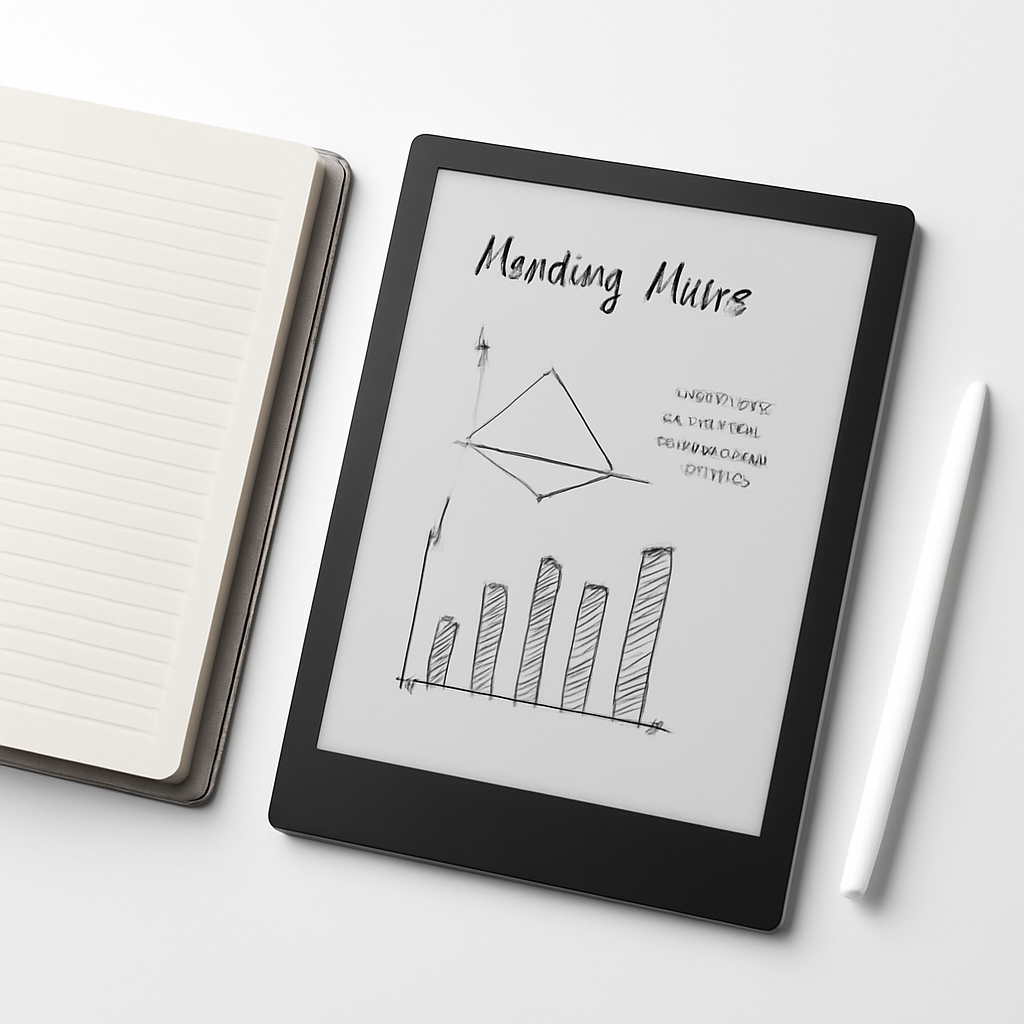
E-ink tablets represent the perfect marriage between the tactile satisfaction of writing on paper and the organizational power of digital technology. Unlike traditional tablets with their glossy screens and battery-draining backlights, these devices use electronic ink technology to create a paper-like writing experience that’s easy on the eyes and incredibly energy-efficient. The result? A device that can literally replace every paper notebook you’ve ever owned while offering features that would make even the most organized person jealous.
The technology behind these devices isn’t entirely new – Amazon’s Kindle has been using E-ink displays for over a decade. However, recent advances in stylus sensitivity, processing power, and software capabilities have transformed E-ink from a simple reading technology into a sophisticated writing platform that rivals traditional pen and paper.
What Makes E-Ink Tablets Different from Regular Tablets?
The fundamental difference lies in the display technology. While your iPad or Samsung Galaxy Tab uses an LCD or OLED screen that emits light, E-ink displays use millions of tiny microcapsules filled with black and white particles that move when an electric field is applied. This creates text and images that look remarkably similar to ink on paper.
This technology brings several game-changing advantages:
- Eye strain reduction: No blue light emission means you can write for hours without the fatigue associated with traditional screens
- Exceptional battery life: Many E-ink tablets last weeks or even months on a single charge
- Perfect outdoor visibility: Unlike backlit screens, E-ink displays become more readable in bright sunlight
- Paper-like writing feel: Advanced stylus technology provides resistance and texture that closely mimics pen on paper
Top E-Ink Tablets Revolutionizing Digital Note-Taking
reMarkable 2: The Digital Paper Pioneer
The reMarkable 2 has become the gold standard for E-ink writing tablets, and for good reason. This ultra-thin device (4.7mm thick) delivers an incredibly natural writing experience that has converted countless paper notebook devotees. The proprietary CANVAS display technology provides 21ms latency – so fast that there’s virtually no delay between stylus movement and ink appearance.
What sets the reMarkable 2 apart is its focus on distraction-free writing. There’s no web browser, social media apps, or email notifications to pull your attention away from your thoughts. It’s designed with one primary purpose: to be the ultimate digital notebook.
Key features include:
- 10.3-inch E-ink display with 1872×1404 resolution
- Magnetic stylus attachment with tilt detection
- Two-week battery life with typical use
- Cloud sync across all devices
- PDF annotation and editing capabilities
Supernote A5 X: The Power User’s Choice
The Supernote A5 X takes a different approach, offering more features while maintaining the paper-like experience. This device excels at organization and productivity, with advanced notebook management systems that would make any project manager weep with joy.
The standout feature is its “Digest” system, which automatically extracts keywords and creates searchable indexes of your handwritten notes. Imagine being able to search through months of handwritten meeting notes by simply typing a keyword – that’s the power of the Supernote ecosystem.
Boox Note Air2 Plus: The Android Advantage
For users who want E-ink benefits without sacrificing versatility, the Onyx Boox Note Air2 Plus runs a full Android operating system. This means you can install traditional note-taking apps like OneNote or Notion alongside E-ink optimized applications.
The device features a frontlight system that allows for comfortable reading in any lighting condition, making it equally suitable for reading e-books and writing notes. The 10.3-inch display supports both finger touch and stylus input, providing flexibility in how you interact with the device.
Features That Make E-Ink Tablets Superior to Paper
Infinite Pages, Zero Waste
Traditional notebooks have a fixed number of pages, leading to the eternal dilemma of whether to start a new notebook or squeeze more content into an already full one. E-ink tablets eliminate this problem entirely. You can create unlimited notebooks, each with infinite pages, organized however makes sense for your workflow.
From an environmental perspective, a single E-ink tablet can replace hundreds of paper notebooks over its lifetime. For organizations looking to reduce their carbon footprint, this represents a significant sustainability win.
Smart Organization and Search
Remember trying to find that important phone number you wrote down somewhere in your notebook stack? E-ink tablets solve this with powerful search functionality. Advanced handwriting recognition can search through your written notes, while tags and categories help organize content logically.
Many devices also offer template libraries with specialized layouts for different use cases:
- Cornell note-taking templates
- Project planning sheets
- Calendar and scheduling layouts
- Music notation paper
- Engineering graph paper
Seamless Digital Integration
Your handwritten notes don’t exist in a vacuum anymore. E-ink tablets can convert handwritten text to digital text, export notes as PDFs, and sync everything to cloud storage services. This integration means your handwritten brainstorming session can seamlessly become part of a digital presentation or shared document.
Overcoming Traditional Limitations
The Stylus Evolution
Early digital writing experiences were often criticized for feeling “slippery” or unnatural. Modern E-ink tablets have largely solved this problem through advanced stylus technology and textured screen surfaces. Many devices now offer multiple stylus options that simulate different writing instruments – from pencils to markers to fountain pens.
Pressure sensitivity has also improved dramatically. Modern styluses can detect thousands of pressure levels, allowing for natural line weight variation that closely mimics traditional drawing and writing tools.
Speed and Responsiveness
One of the biggest barriers to E-ink adoption has been refresh rates. Traditional E-ink displays were notoriously slow, with visible ghosting and delays. The latest generation of E-ink tablets features response times measured in milliseconds, making the writing experience feel immediate and natural.
Who Benefits Most from E-Ink Tablets?
Students and Academics
Students carry enormous amounts of paper-based materials. E-ink tablets can consolidate textbooks, notebooks, and research papers into a single device. The ability to annotate PDFs directly and search through handwritten notes makes research and studying significantly more efficient.
Graduate students and researchers particularly benefit from the ability to organize and cross-reference vast amounts of handwritten notes and research materials.
Business Professionals
Meeting notes, project planning, and brainstorming sessions translate naturally to E-ink tablets. The professional appearance and quiet operation make these devices perfect for boardroom use, while the organizational features help manage complex projects.
Consultants and traveling professionals appreciate the lightweight design and week-long battery life, eliminating the need to carry multiple notebooks and chargers.
Creative Professionals
Artists, designers, and writers find E-ink tablets offer a distraction-free creative environment. The paper-like texture provides the tactile feedback crucial for detailed drawing and sketching, while the digital format allows for easy sharing and iteration.
Limitations and Considerations
While E-ink tablets offer compelling advantages, they’re not perfect for everyone. The monochrome display limits their usefulness for color-dependent work, though some newer models offer limited color E-ink technology. Additionally, the specialized nature of these devices means they typically cost more than traditional notebooks initially, though the long-term value proposition is strong.
Software ecosystems vary significantly between brands, and switching between different E-ink tablet platforms can be challenging. It’s important to consider not just the hardware, but the long-term software support and feature development when making a choice.
The Future of Digital Note-Taking
E-ink technology continues to evolve rapidly. Color E-ink displays are becoming more sophisticated, response times are decreasing, and battery life is extending even further. We’re likely to see these devices become even more paper-like while adding capabilities that traditional paper could never match.
Integration with AI and machine learning promises even more powerful features, from automatic note summarization to intelligent content suggestions based on your writing patterns.
For anyone who has ever struggled with the limitations of paper notebooks – the inability to search, the waste of unused pages, the risk of losing important information – E-ink tablets represent a genuinely revolutionary solution. They maintain everything we love about writing on paper while adding the organizational and sharing capabilities that modern work and study demand. The question isn’t whether digital notebooks will replace paper ones, but how quickly you want to make the transition to a more organized, efficient, and sustainable way of capturing your thoughts.