Physical Address
304 North Cardinal St.
Dorchester Center, MA 02124
Physical Address
304 North Cardinal St.
Dorchester Center, MA 02124
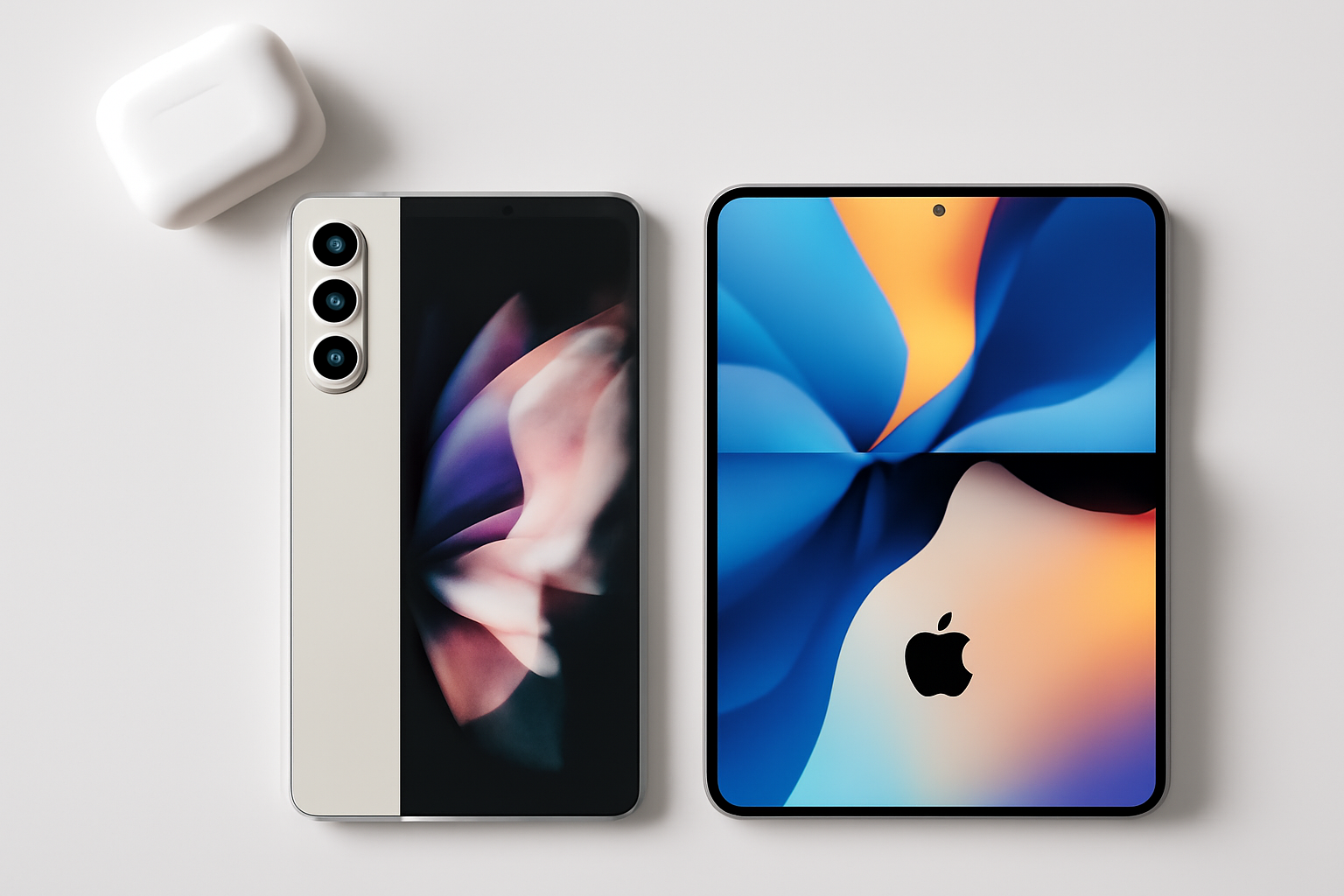
The smartphone revolution is entering its next phase, and it’s all about flexibility – literally. After years of experimental releases and skeptical consumers, foldable phones are finally hitting their stride and moving from niche curiosity to mainstream necessity. As we look toward 2026, two tech titans are preparing for an epic showdown that could reshape the mobile landscape forever: Samsung, the current foldable pioneer, and Apple, the master of mainstream adoption.
This isn’t just another incremental upgrade cycle we’re talking about. The foldable phone market is experiencing explosive growth, with industry analysts predicting a compound annual growth rate of over 30% through 2026. What’s driving this surge? A perfect storm of technological maturation, consumer demand for larger screens, and the relentless pursuit of innovation by manufacturers who need something truly revolutionary to justify premium pricing in an increasingly saturated market.
The stakes couldn’t be higher. Samsung has invested billions in foldable technology and currently dominates the market with devices like the Galaxy Z Fold and Z Flip series. Meanwhile, Apple – historically a follower rather than a leader in form factor innovation – is rumored to be preparing its own foldable assault, complete with the polish and ecosystem integration that has made every Apple product category it enters incredibly successful.
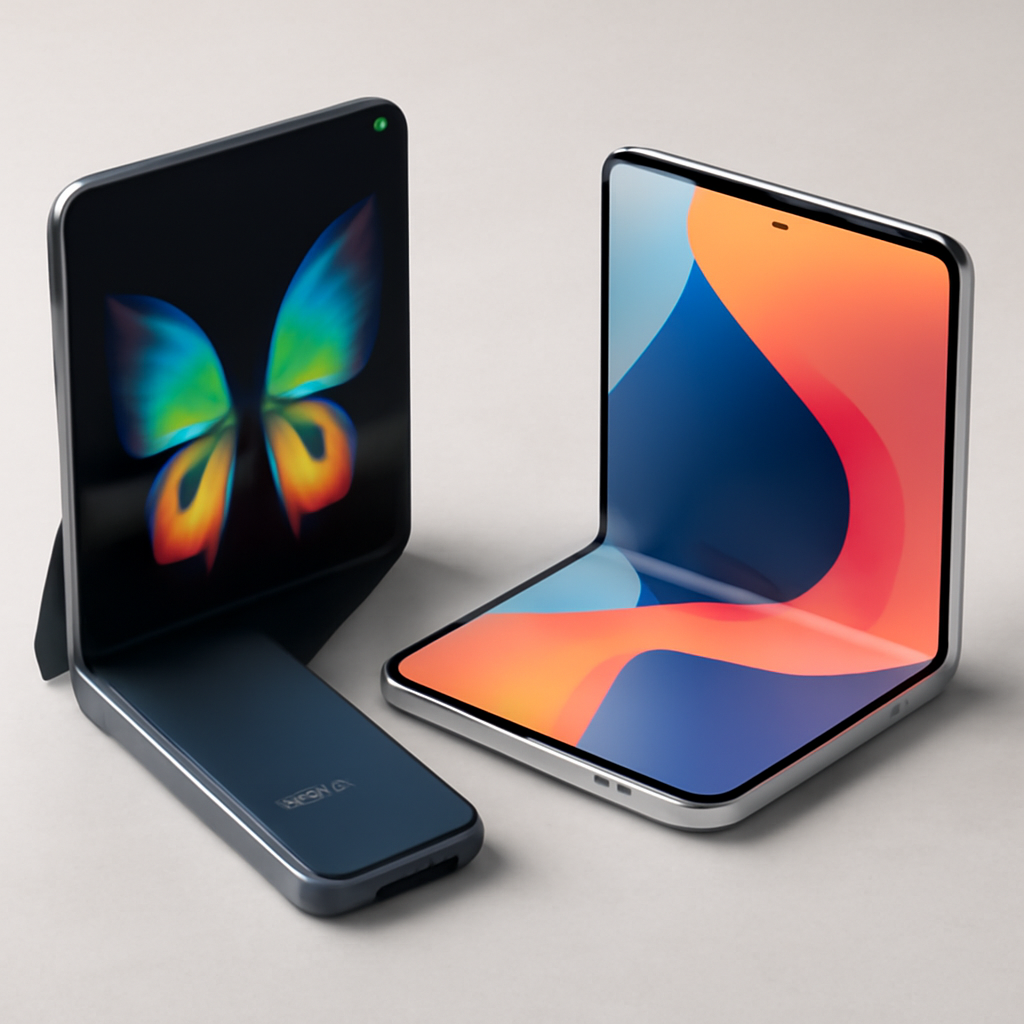
Samsung didn’t just stumble into foldable dominance; they systematically built it through years of R&D investment, strategic partnerships, and a willingness to iterate publicly. The Korean giant currently commands roughly 80% of the global foldable smartphone market, a position they’ve earned through consistent innovation and aggressive pricing strategies.
The Galaxy Z Fold series represents the pinnacle of Samsung’s foldable ambitions. These devices transform from standard smartphones into tablet-sized workstations, offering genuine productivity benefits that justify their premium pricing. The latest iterations feature:
But Samsung’s real genius lies in their two-pronged approach. While the Z Fold targets productivity enthusiasts and early adopters willing to pay flagship prices, the Galaxy Z Flip series brings foldable technology to fashion-conscious consumers at more accessible price points. This clamshell design taps into nostalgia while solving real problems like pocket-ability and hands-free video calls.
Samsung understands that winning the foldable wars isn’t just about better hardware – it’s about creating an ecosystem that makes foldable phones indispensable. Their partnership with Google has resulted in Android optimizations specifically for foldable displays, while collaborations with Microsoft bring desktop-class productivity apps to mobile form factors.
The company has also invested heavily in developer relations, providing tools and incentives for app creators to optimize their software for foldable screens. This grassroots approach is paying dividends as more apps natively support multi-window functionality and adaptive layouts.
While Apple hasn’t officially announced a foldable iPhone, industry insiders and patent filings suggest it’s not a matter of “if” but “when.” Multiple reports indicate Apple is targeting a 2026 launch for their first foldable device, and if history is any guide, this entry could completely reshape the market dynamics.
Apple’s approach to new categories follows a predictable pattern: watch competitors experiment, identify pain points, then enter the market with a refined product that “just works.” This strategy has proven successful with smartwatches, tablets, and even wireless earbuds. The foldable phone category seems ripe for the same treatment.
Leaked information and industry speculation suggest Apple’s foldable will prioritize different aspects than current market leaders:
More importantly, Apple brings something Samsung can’t: the power to instantly legitimize a product category among mainstream consumers. When Apple releases their foldable iPhone, it won’t just be another option – it’ll be the moment foldables truly go mainstream.
The path to foldable phone supremacy isn’t just about who ships first or who has the flashiest marketing campaign. Real technological challenges need solving, and both companies are approaching these problems from different angles.
The display is everything in a foldable phone, and both Samsung and Apple are pushing the boundaries of what’s possible. Samsung’s current advantage lies in their vertical integration – they manufacture their own OLED panels and have years of experience with flexible display technology. However, Apple’s relationship with multiple display suppliers and their expertise in color science and brightness optimization could level the playing field.
Key areas of competition include:
Hardware innovations mean nothing without software that takes full advantage of foldable form factors. Samsung has made significant progress with One UI, but Android’s fundamental architecture wasn’t designed for shape-shifting devices. Apple’s iOS, while more rigid, could be completely reimagined for foldables, potentially offering a more cohesive experience.
The real battle will be fought in app ecosystems. Samsung needs to convince developers to optimize for foldables, while Apple could potentially force optimization through App Store requirements and development tools.
The 2026 foldable battle isn’t happening in a vacuum. Several market forces are converging to make this the perfect moment for mainstream foldable adoption:
Early foldables commanded extreme premium prices, but manufacturing scale and technological maturity are driving costs down. By 2026, we expect to see foldables priced competitively with traditional flagship smartphones, removing the biggest barrier to mass adoption.
Foldable phones’ larger screens and enhanced multitasking capabilities shine brightest with fast, reliable internet connections. The global rollout of 5G networks creates the perfect environment for foldable phone features to truly matter to everyday users.
The pandemic fundamentally changed how we work, with many professionals now splitting time between home, office, and mobile environments. Foldable phones that can serve as both communication devices and portable workstations address real productivity needs in this new working world.
The Samsung-Apple foldable battle will reshape more than just their own market positions. Other manufacturers like Google, OnePlus, and Xiaomi are watching closely and preparing their own responses. We’re likely to see:
Despite the optimistic projections, significant challenges remain. Both Samsung and Apple must address consumer concerns about durability, repairability, and the practical benefits of foldable designs. The market has seen enough failed “revolutionary” products to maintain healthy skepticism until proven otherwise.
Environmental concerns also loom large. Foldable phones are inherently more complex, potentially making them harder to repair and recycle. Both companies will need to address sustainability concerns while pushing technological boundaries.
As we approach this pivotal moment, several trends seem inevitable. Samsung will likely maintain their innovation edge and market share through continued iteration and aggressive pricing. However, Apple’s entry will dramatically expand the total addressable market and force everyone to step up their game.
The real winners will be consumers, who’ll benefit from accelerated innovation, improved software optimization, and more competitive pricing. By the end of 2026, foldable phones may no longer be special – they might just be phones, representing the new normal in mobile computing.
The battle between Samsung and Apple in 2026 won’t just determine foldable phone market leadership; it’ll set the stage for the next decade of mobile innovation. Whether you’re team Android or iOS, one thing is certain: the future of smartphones is about to get a lot more interesting.