Physical Address
304 North Cardinal St.
Dorchester Center, MA 02124
Physical Address
304 North Cardinal St.
Dorchester Center, MA 02124
Artificial Intelligence assistants have quietly woven themselves into the fabric of our daily lives, transforming from science fiction concepts into indispensable digital companions. Just a decade ago, the idea of having a conversation with your phone or asking your smart speaker to control your home’s lighting seemed like something straight out of a futuristic movie. Today, millions of people worldwide wake up to AI assistants helping them check the weather, manage their schedules, and even brew their morning coffee.
The evolution of AI assistants represents one of the most significant technological shifts of our time. From Apple’s Siri making its debut in 2011 to the sophisticated conversational AI we interact with today, these digital helpers have revolutionized how we approach technology. They’ve made complex computing accessible to everyone, regardless of technical expertise, by introducing the most natural form of human-computer interaction: conversation.
What makes this transformation particularly remarkable is the speed at which AI assistants have moved from novelty to necessity. They’re no longer just answering basic questions or setting reminders – they’re orchestrating smart homes, facilitating business operations, and even providing emotional support during challenging times. This shift represents a fundamental change in our relationship with technology, moving from a tool-based interaction to a more collaborative partnership.
The journey of AI assistants began with simple voice recognition systems that could barely understand basic commands. Early iterations required users to speak slowly, clearly, and often repeat themselves multiple times. Fast-forward to today, and we have AI assistants that can understand context, recognize different accents, and even pick up on emotional cues in our voice.
Modern AI assistants leverage advanced machine learning algorithms and natural language processing (NLP) to understand not just what we’re saying, but what we mean. They can interpret ambiguous requests, handle follow-up questions, and maintain context throughout longer conversations. This evolution has been powered by massive improvements in computing power, the availability of big data, and breakthrough developments in neural networks.
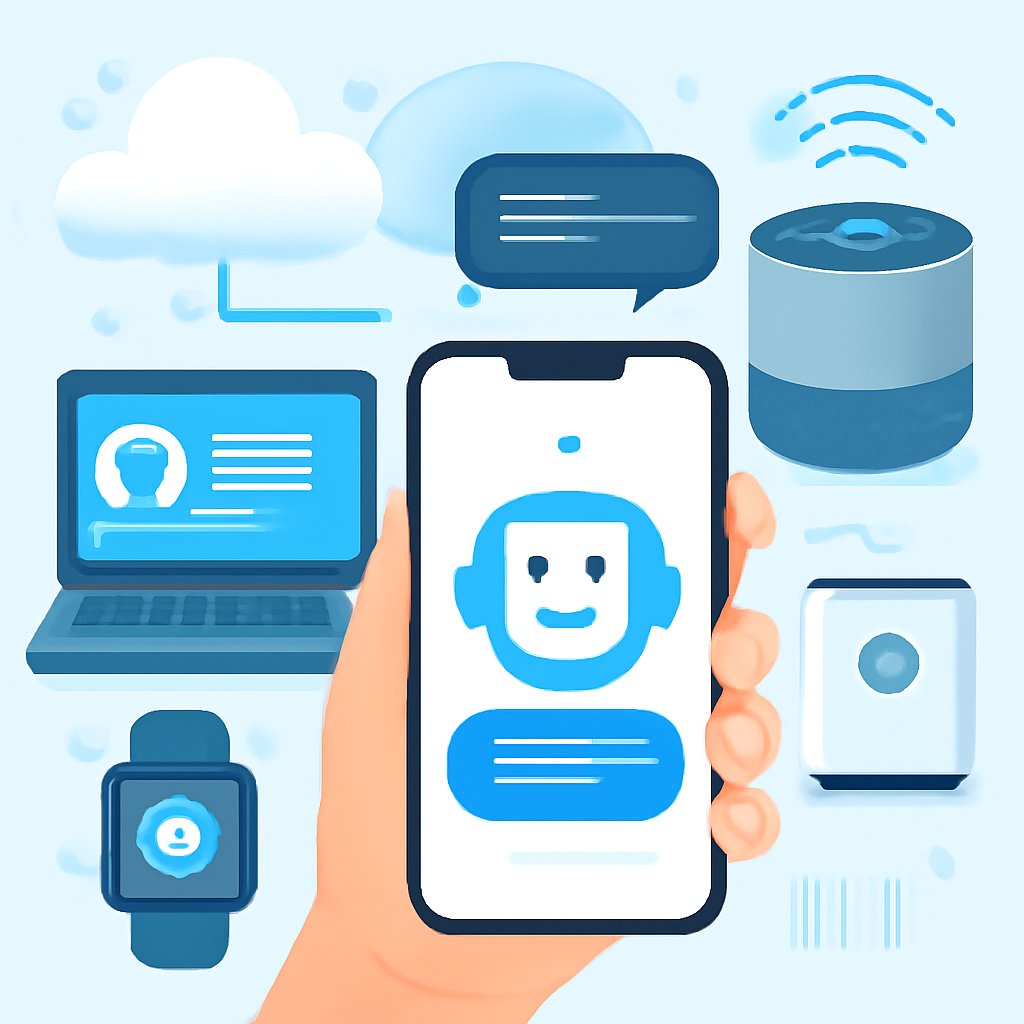
AI assistants have become the central nervous system of modern smart ecosystems. They serve as the unifying interface between disparate devices and services, creating seamless experiences that were previously impossible. This integration extends far beyond simple voice commands to sophisticated orchestration of multiple connected devices and services.
Perhaps nowhere is the impact of AI assistants more visible than in smart homes. These digital companions have transformed houses into responsive environments that anticipate and react to our needs. Through voice commands, homeowners can control lighting, temperature, security systems, and entertainment devices. More impressively, AI assistants learn patterns and preferences, automatically adjusting settings based on time of day, weather conditions, or detected presence.
The integration goes beyond individual device control. AI assistants can coordinate complex scenarios – dimming lights, adjusting temperature, playing specific music, and arming security systems with a single command like “goodnight.” This level of orchestration has made smart home technology accessible to mainstream consumers who might otherwise find individual device management overwhelming.
Smartphones and wearable devices have become more intuitive thanks to AI assistant integration. These digital helpers can send messages, make calls, navigate routes, and access information without requiring users to unlock devices or navigate through multiple apps. For wearable technology, this hands-free interaction has been particularly transformative, making devices like smartwatches genuinely useful for quick interactions and notifications.
The business world has embraced AI assistants as powerful productivity tools that streamline operations and enhance customer experiences. From small startups to Fortune 500 companies, organizations are leveraging AI assistants to automate routine tasks, improve customer service, and create more efficient workflows.
AI-powered chatbots and virtual assistants have revolutionized customer service by providing 24/7 support and handling routine inquiries without human intervention. These systems can resolve common issues, guide users through troubleshooting processes, and escalate complex problems to human agents when necessary. The result is faster response times, reduced operational costs, and improved customer satisfaction.
In professional environments, AI assistants are becoming indispensable for managing calendars, scheduling meetings, transcribing notes, and even drafting emails. They can analyze communication patterns, suggest optimal meeting times, and help prioritize tasks based on importance and deadlines. This automation of administrative tasks allows professionals to focus on higher-value activities that require human creativity and decision-making.
What sets modern AI assistants apart from their predecessors is their ability to learn and adapt to individual users. These systems don’t just execute commands; they develop understanding of personal preferences, communication styles, and usage patterns. This personalization makes interactions feel more natural and responses more relevant to each user’s specific context.
AI assistants continuously refine their responses based on user feedback and behavior patterns. If you consistently ask for weather updates at 7 AM, your assistant might proactively provide this information. If you frequently request specific types of music during workout times, the system learns to anticipate these preferences. This adaptive behavior creates a more intuitive and helpful experience over time.
Advanced AI assistants can distinguish between different family members or household users, providing personalized responses and access to individual accounts and preferences. This capability ensures that each person receives relevant information and maintains privacy for personal data and preferences.
As AI assistants become more integrated into our lives, privacy and security concerns have rightfully taken center stage. These systems often process sensitive personal information, from calendar details and contacts to voice recordings and location data. Understanding and addressing these concerns is crucial for continued adoption and trust.
Leading AI assistant providers have implemented various privacy protection measures, including on-device processing, encrypted communications, and user-controlled data retention policies. Many systems now process voice commands locally rather than sending audio to cloud servers, reducing privacy risks and improving response times.
Modern AI assistants provide users with greater control over their data, including options to review, delete, or limit data collection. Transparency reports and privacy dashboards help users understand what information is being collected and how it’s being used, empowering them to make informed decisions about their digital privacy.
The future of AI assistants promises even more sophisticated capabilities and seamless integration into our daily lives. Emerging technologies and advancing AI research point toward assistants that will be more helpful, intuitive, and capable than ever before.
Future AI assistants will likely develop better emotional intelligence, recognizing and responding appropriately to users’ emotional states. This could lead to more supportive interactions during stressful situations and more nuanced communication that feels genuinely empathetic rather than mechanical.
Rather than simply responding to requests, next-generation AI assistants will anticipate needs and provide proactive assistance. They might remind you to leave early for appointments based on traffic conditions, suggest grocery items based on meal planning and dietary preferences, or recommend taking breaks during intense work sessions.
The future will likely bring seamless continuity across all devices and platforms. Starting a conversation with your assistant on your phone and continuing it on your smart speaker or laptop will become as natural as moving from room to room while talking to a human companion.
AI assistants have democratized technology access by making complex systems accessible through natural language interaction. This has particularly benefited elderly users, individuals with disabilities, and those who might otherwise struggle with traditional user interfaces. The voice-first approach has opened up technology to populations that were previously underserved by conventional computing interfaces.
The rise of AI assistants represents more than just a new category of technology – it signifies a fundamental shift in how humans interact with digital systems. As these assistants become more sophisticated and ubiquitous, they’re not just changing individual devices or applications; they’re reshaping our entire relationship with technology. The future promises even more intelligent, helpful, and intuitive AI companions that will continue to bridge the gap between human needs and technological capabilities, making our digital lives more efficient, enjoyable, and accessible than ever before.