Physical Address
304 North Cardinal St.
Dorchester Center, MA 02124
Physical Address
304 North Cardinal St.
Dorchester Center, MA 02124
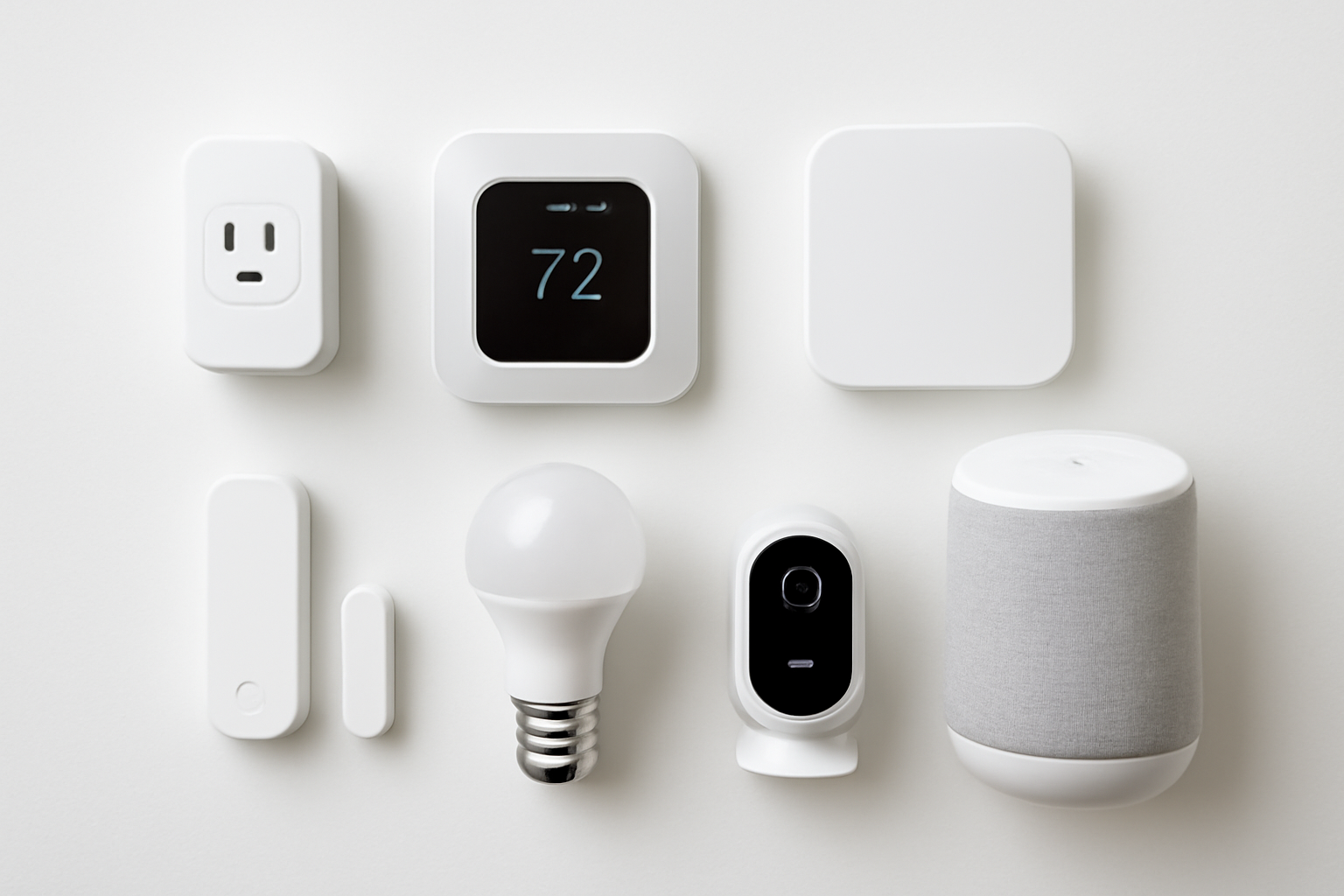
The smart home revolution isn’t just about convenience and showing off your tech-savvy lifestyle—it’s about putting real money back in your pocket. While the upfront costs of smart devices might make you hesitate, many of these gadgets pay for themselves through energy savings, reduced waste, and smarter resource management. The key is knowing which devices deliver actual financial benefits versus those that are just cool to have.
In today’s economy, every dollar saved matters. Smart home technology has evolved from expensive novelties to practical tools that can significantly reduce your monthly bills. From thermostats that learn your schedule to leak detectors that prevent costly water damage, the right smart devices can transform your home into an efficiency powerhouse.
Let’s dive into the smart home devices that don’t just make your life easier—they make your wallet happier too.
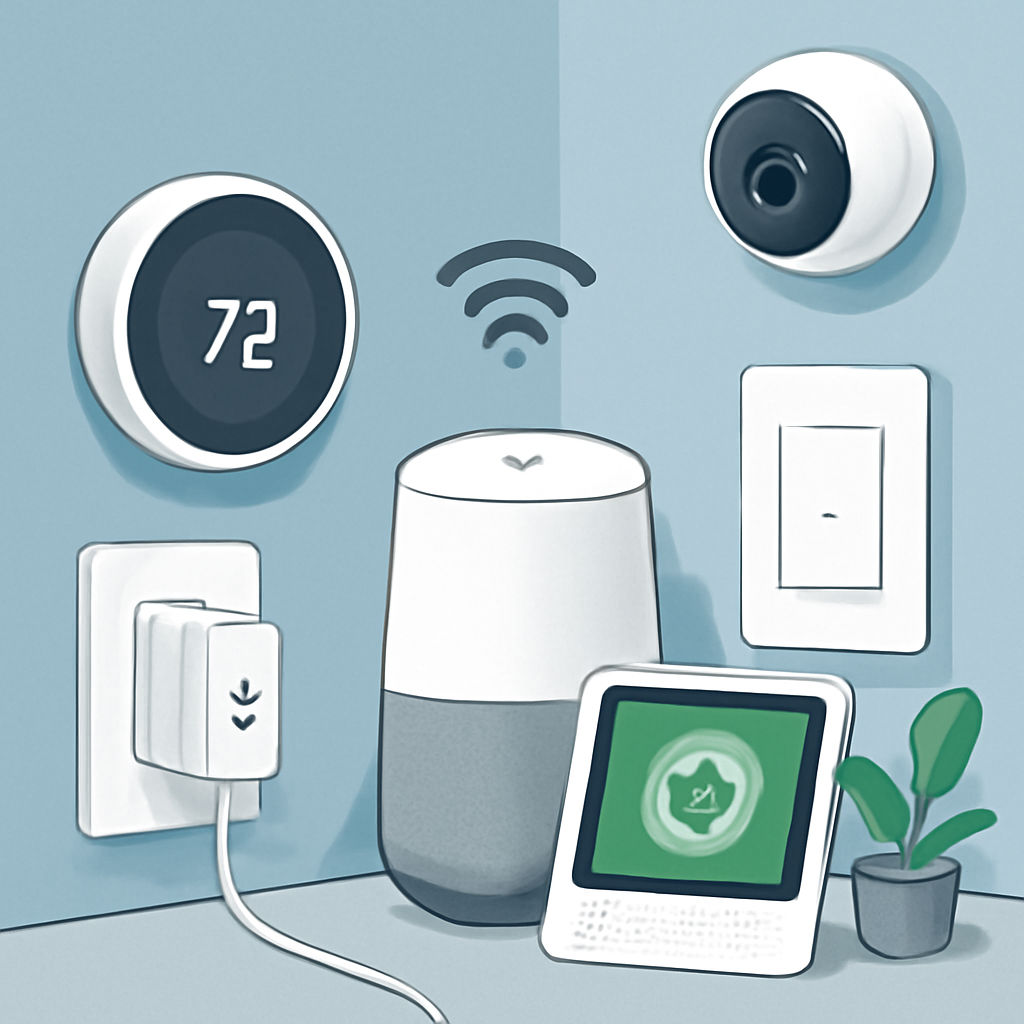
If you’re only going to buy one money-saving smart device, make it a smart thermostat. These devices are absolute champions when it comes to reducing energy costs, typically saving homeowners 10-23% on heating and cooling bills—which translates to $130-$145 per year for the average home.
The most popular models, including the Nest Thermostat, Ecobee SmartThermostat, and Honeywell Home T9, typically cost between $120-$250. With average annual savings of around $140, most users see a return on investment within two years.
Water damage is one of the most expensive home disasters, with the average claim costing over $11,000. Smart water leak detectors are relatively inexpensive devices that can prevent catastrophic damage by alerting you to leaks before they become floods.
Basic smart leak detectors start at around $25-40 each, while comprehensive whole-home systems range from $200-500. Considering the average cost of water damage claims, even preventing one small leak pays for the entire system many times over.
Smart lighting goes far beyond the ability to dim lights from your couch. Modern smart bulbs and switches can significantly reduce your electricity usage while providing better lighting control than traditional systems.
A typical smart LED bulb costs $15-25 but lasts 15-20 times longer than incandescent bulbs while using a fraction of the energy. The average household can save $75-100 annually by switching to smart LED lighting throughout their home.
Phantom loads—energy consumed by devices when they’re turned off but still plugged in—account for up to 10% of residential energy use. Smart power strips and outlets eliminate this waste by completely cutting power to devices when they’re not needed.
Smart power strips range from $25-60, while smart outlets cost $15-30 each. Most households see $50-100 in annual savings by eliminating phantom loads throughout their home.
If you have a sprinkler system, a smart irrigation controller can dramatically reduce water waste and lower your utility bills. These devices use weather data, soil conditions, and plant types to deliver exactly the right amount of water at the optimal times.
Smart irrigation controllers cost $100-300 but typically reduce outdoor water usage by 15-50%. For homes with significant landscaping, this translates to savings of $200-500 annually on water bills.
While smart appliances require larger upfront investments, they offer substantial long-term savings through improved efficiency and better usage patterns.
While these appliances represent significant investments, Energy Star smart appliances typically save $50-200 annually compared to standard models, and they often qualify for utility rebates that reduce upfront costs.
Whole-home energy monitors provide detailed insights into your electricity usage, helping identify energy hogs and optimize consumption patterns. Devices like Sense, Emporia Vue, or TP-Link Kasa track real-time energy usage and can even identify specific appliances.
Energy monitors cost $100-300 but help most users reduce consumption by 8-15%, resulting in annual savings of $100-250 for typical households.
Not every smart device will save money in every situation. Consider these factors when building your money-saving smart home:
Start with devices offering the fastest payback: smart thermostats, leak detectors, and LED bulbs should be your first purchases. Follow with smart power strips and irrigation controllers if applicable to your situation. Save major appliance upgrades for when your current appliances need replacement.
The smart home revolution is here, and it’s not just about convenience—it’s about creating a more efficient, cost-effective living space. By choosing the right devices and implementing them strategically, you can build a smart home that pays for itself while making your daily life easier. The key is starting small, measuring results, and expanding your system as you see real savings in your monthly bills.
Remember, the best smart home device is the one you’ll actually use consistently. Focus on solving real problems in your home rather than buying gadgets for their own sake, and you’ll build a smart home system that delivers both convenience and genuine financial benefits for years to come.