USB-C Becomes Universal: What This Means for Your Devices
In a world where we’re constantly juggling multiple cables for different devices, the dream of a truly universal charging and data transfer standard has finally become reality. USB-C, once seen as just another connector type, has now emerged as the one port to rule them all. From smartphones and laptops to gaming consoles and power banks, this reversible, versatile connector is rapidly becoming the standard across virtually every category of consumer electronics.
The transition to USB-C represents more than just a change in cable design—it’s a fundamental shift toward simplification, efficiency, and standardization that promises to make our digital lives significantly easier. But what does this universal adoption really mean for you and your collection of devices? How will it change the way you work, travel, and interact with technology on a daily basis?
Let’s dive deep into the USB-C revolution and explore how this single connector is reshaping the entire tech landscape, what benefits it brings to consumers, and what challenges we might face during this transition period.
The Rise of USB-C: From Optional to Essential
USB-C didn’t appear overnight as the universal solution we know today. Its journey began in 2014 when the USB Implementers Forum introduced the connector as part of the USB 3.1 specification. Initially, adoption was slow and fragmented, with only a handful of premium devices featuring the new connector type.
The real turning point came when major manufacturers began recognizing USB-C’s potential. Apple, despite its long-standing preference for proprietary connectors, started integrating USB-C into MacBooks and later iPads. Google made USB-C standard across its Pixel lineup, while Android manufacturers gradually phased out micro-USB in favor of the more capable connector.
Today, the European Union has mandated USB-C as the common charging standard for mobile phones, tablets, and cameras, with the regulation taking effect in late 2024. This regulatory push has accelerated what was already becoming an industry-wide trend, essentially guaranteeing USB-C’s position as the universal standard.
Technical Advantages That Drive Universal Adoption
Power Delivery Capabilities
One of USB-C’s most compelling features is its impressive power delivery capabilities. Unlike older USB standards that were limited to 2.5 watts or 4.5 watts, USB-C can handle up to 240 watts of power through the latest USB Power Delivery (USB PD) 3.1 specification. This means you can charge everything from smartphones to high-performance laptops using the same cable and charger.
The practical implications are enormous. A single USB-C charger can now power your phone, tablet, laptop, and even some monitors. This consolidation eliminates the need to carry multiple chargers when traveling and reduces the number of power adapters cluttering your workspace.
Data Transfer Speeds
USB-C supports multiple data transfer protocols, with speeds ranging from USB 2.0’s 480 Mbps up to USB4’s impressive 40 Gbps. This versatility means manufacturers can implement USB-C across different price points and use cases while maintaining forward compatibility.
For users, this translates to lightning-fast file transfers, seamless video streaming to external displays, and the ability to connect high-performance peripherals without worrying about bandwidth limitations. Whether you’re transferring large video files or connecting to a 4K monitor, USB-C provides the necessary bandwidth.
Reversible Design and Durability
The reversible nature of USB-C eliminates the frustration of trying to plug in cables the wrong way—a common complaint with older USB-A connectors. This user-friendly design reduces wear on ports and cables, as there’s no forcing or repeated insertion attempts.
Additionally, USB-C connectors are built to withstand 10,000 insertion cycles, significantly more than many previous connector types. This durability ensures longer-lasting devices and reduces the frequency of port repairs or replacements.
Impact Across Device Categories
Smartphones and Mobile Devices
The smartphone industry has been perhaps the biggest driver of USB-C adoption. Android manufacturers have largely completed their transition from micro-USB, while Apple has finally brought USB-C to the iPhone 15 series. This shift means users can now charge their phones, tablets, and other mobile devices with the same cable.
Beyond charging, USB-C enables smartphones to function as productivity hubs. You can connect external monitors, keyboards, mice, and storage devices directly to your phone, essentially turning it into a portable computer. This capability is particularly valuable for users who rely on their smartphones for work or content creation.
Laptops and Computing Devices
Modern laptops increasingly feature USB-C as the primary charging and connectivity solution. Many ultrabooks now rely exclusively on USB-C ports, eliminating proprietary charging ports entirely. This standardization means you can charge your laptop using the same power bank that charges your phone, or borrow a charger from a colleague without compatibility concerns.
The computing world has also embraced USB-C for docking solutions. A single USB-C connection can provide power, video output, network connectivity, and peripheral connections, enabling clean, minimalist workspace setups with just one cable connecting your laptop to everything else.
Gaming Consoles and Entertainment Devices
Gaming hardware has jumped on the USB-C bandwagon as well. The Nintendo Switch was an early adopter, using USB-C for both docked and portable charging. Sony’s PlayStation 5 DualSense controllers charge via USB-C, as do many gaming headsets, keyboards, and mice.
This standardization is particularly beneficial for gamers who often have multiple devices that need charging. Instead of managing separate cables for controllers, headsets, and portable gaming devices, everything can use the same USB-C infrastructure.
Benefits for Consumers
Reduced Cable Clutter
Perhaps the most immediately noticeable benefit of USB-C universality is the dramatic reduction in cable clutter. Instead of maintaining separate charging cables for different devices, you can use a single USB-C cable for multiple purposes. This simplification extends to power adapters, where one high-wattage USB-C charger can handle multiple devices.
Travel Convenience
For frequent travelers, USB-C standardization is a game-changer. The ability to carry fewer cables and chargers means lighter luggage and less time spent organizing tech accessories. Airport lounges, hotels, and public spaces are also increasingly providing USB-C charging options, making it easier to keep devices powered on the go.
Cost Savings
While premium USB-C cables and chargers might cost more upfront than basic alternatives, the long-term savings are significant. Instead of buying device-specific chargers and cables, you can invest in high-quality USB-C accessories that work across your entire device ecosystem. This consolidation also reduces the need for replacement cables when switching between different device brands.
Future-Proofing
Investing in USB-C accessories today provides excellent future-proofing. As the standard continues to evolve, newer devices will maintain backward compatibility with existing USB-C infrastructure. This means your current cables and chargers will continue working with future device purchases, protecting your investment in accessories.
Challenges and Considerations
Transition Period Complications
Despite its benefits, the transition to USB-C isn’t without challenges. Many users still own devices with older connector types, creating a mixed ecosystem that requires multiple cable types during the transition period. This situation is particularly common in households with devices of varying ages.
Quality and Compatibility Variations
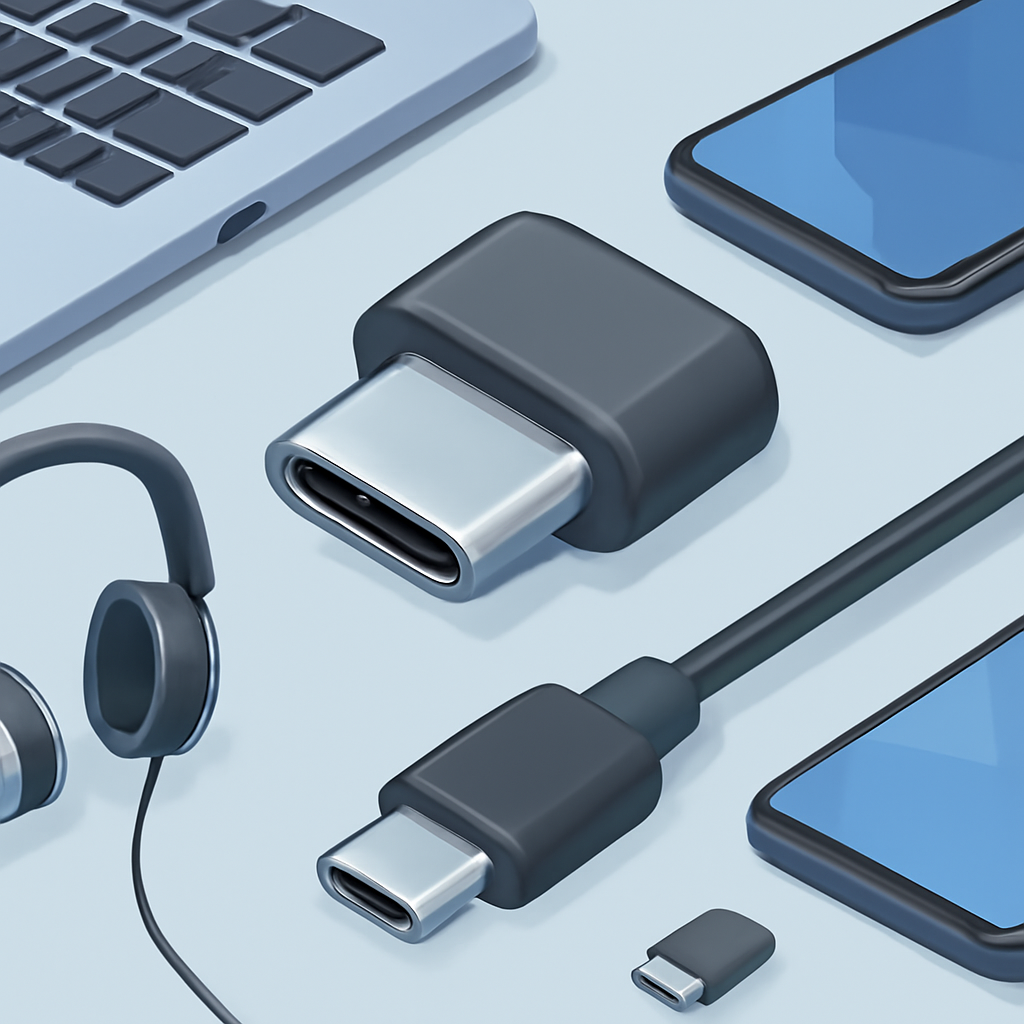
Not all USB-C cables and chargers are created equal. The standard supports various power levels, data speeds, and protocols, but not every cable supports every feature. This variation can lead to confusion when a cable works for charging but not for data transfer, or when a charger can’t provide enough power for a particular device.
To avoid compatibility issues, it’s important to understand the specifications of your USB-C accessories and ensure they match your device requirements. Look for cables and chargers that are certified by reputable organizations and support the power and data requirements of your specific devices.
Cost of Transition
While USB-C offers long-term cost savings, the initial transition can be expensive. Users may need to purchase new cables, chargers, and adapters to fully embrace the USB-C ecosystem. However, this cost should be viewed as an investment that will pay dividends over time through reduced accessory purchases and improved convenience.
Looking Ahead: The Future of USB-C
The universal adoption of USB-C is just the beginning. Future developments in the standard promise even greater capabilities and convenience. USB4 Version 2.0 will double data transfer speeds to 80 Gbps, while improved power delivery specifications will support even higher wattages for larger devices.
We’re also likely to see USB-C integration in unexpected places. Automotive manufacturers are beginning to include USB-C ports for both charging and data connectivity, while home appliances and IoT devices may adopt the standard for configuration and updates.
The wireless charging ecosystem is also evolving to complement USB-C. Rather than replacing wired charging entirely, wireless solutions are becoming another tool in the USB-C toolkit, providing additional convenience while maintaining the wired standard as the foundation for high-power and high-speed requirements.
Making the Most of USB-C Universality
To fully capitalize on USB-C’s universal nature, consider these practical tips:
- Invest in quality cables: Purchase certified USB-C cables that support the full range of power delivery and data transfer capabilities you need.
- Choose versatile chargers: Look for multi-port USB-C chargers with sufficient wattage to handle all your devices simultaneously.
- Plan your ecosystem: When purchasing new devices, prioritize those with USB-C to accelerate your transition to a fully standardized setup.
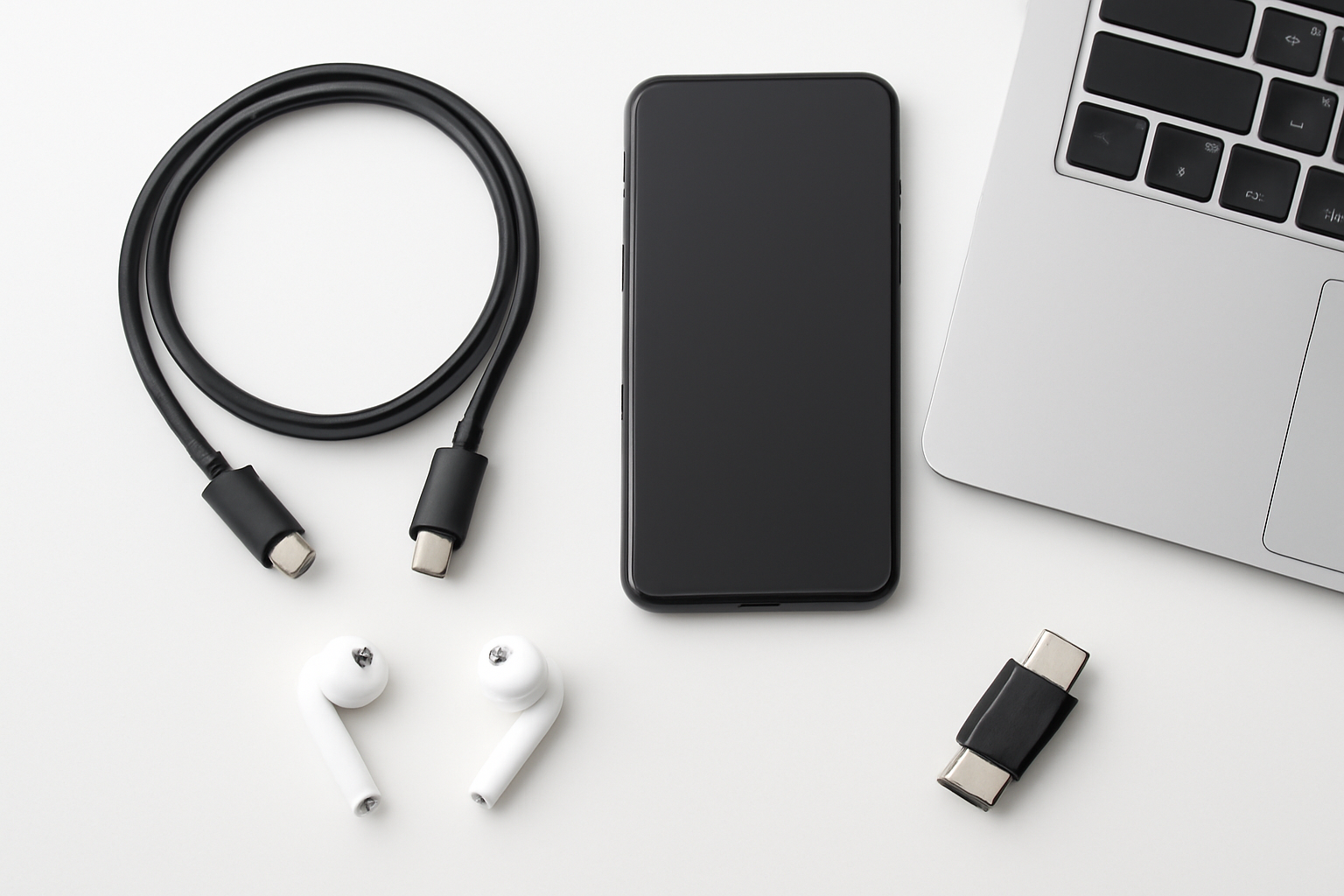
- Keep adapters handy: During the transition period, carry USB-C to USB-A adapters or hub devices to maintain compatibility with older peripherals.
- Organize thoughtfully: Take advantage of reduced cable clutter by investing in cable management solutions that work well with the uniform USB-C connector size.
The universal adoption of USB-C represents one of the most significant standardization achievements in consumer electronics history. While the transition period presents some challenges, the long-term benefits of simplified connectivity, reduced electronic waste, and improved user experience make USB-C’s dominance a positive development for everyone. As we move forward, this single connector will continue to evolve and adapt, serving as the foundation for our increasingly connected digital lives.